


Analyzing the psychology behind casino gambling behavior
Understanding the Appeal of Gambling
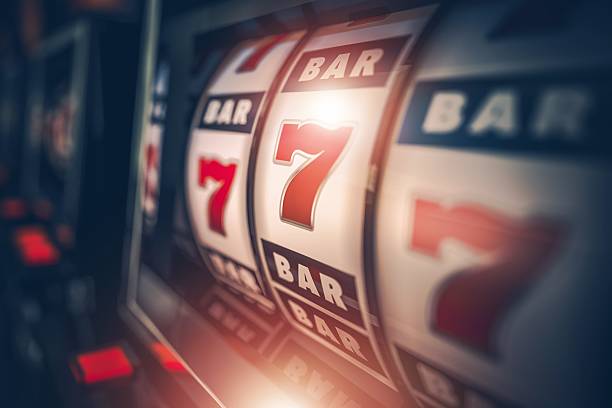
The allure of casinos can often be traced back to the psychology behind risk-taking and reward-seeking behavior. Many individuals are drawn to the excitement and thrill that gambling provides, often perceiving it as a potential avenue to achieve swift financial gain. This sense of possibility can be intoxicating, leading participants to overlook the inherent risks involved. The ambiance of casinos, crafted to be stimulating and engaging, further enhances this urge, drawing patrons into a world filled with flashing lights and the sounds of chiming slot machines.
Moreover, the physical layout of casinos is designed to keep players engaged for longer periods. The absence of clocks or windows creates a timeless atmosphere, encouraging gamblers to lose track of time and continue betting. This psychological removal from reality can intensify the appeal, making quitting much harder. The design conveys a message implying that fortune is just one more round away, feeding a cycle of prolonged gambling.
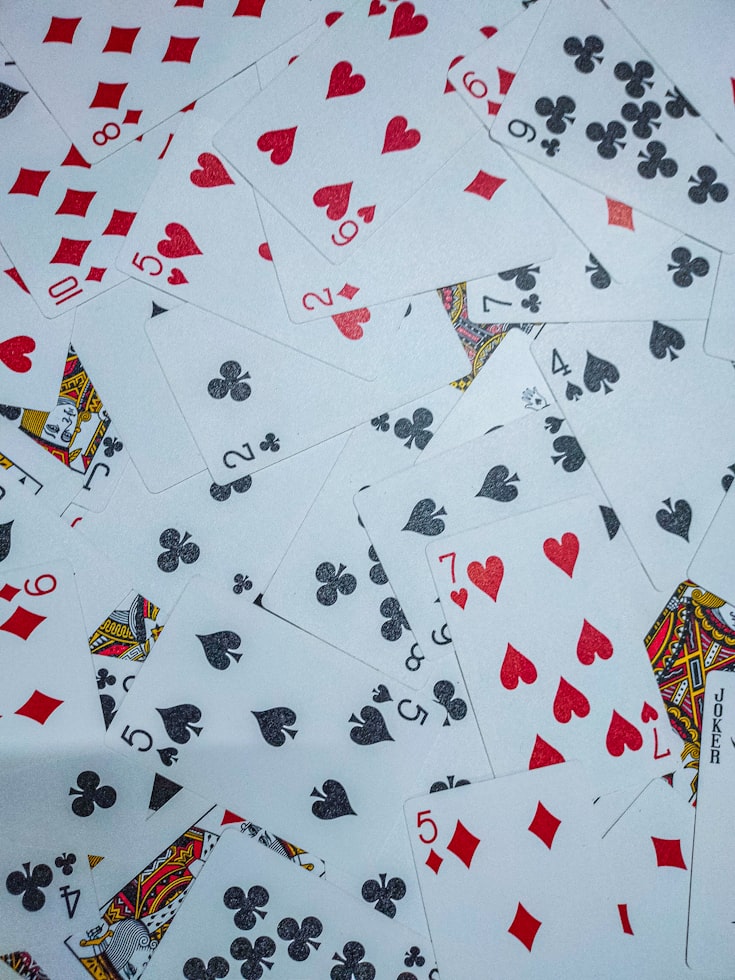
The psychological concept of reinforcement plays a crucial role in maintaining gambling behavior. When a gambler wins, even if only occasionally, the rush of the victory reinforces their desire to continue. This phenomenon reflects a classic behavioral conditioning response, where rewards create habits. Casinos capitalize on this by structuring games in a manner that encourages extensive periods of play, often leading individuals to spend more time—and money—than they originally intended.
The Role of Cognitive Biases
Cognitive biases significantly shape how individuals perceive their chances of winning at games of chance. Many gamblers exhibit a tendency known as the «illusion of control,» where they believe they can influence the outcome of random events. This belief often persists despite evidence to the contrary, such as streaks of losses. It enhances their commitment to the game, causing them to play longer in hopes of reversing their fortunes.
Another common cognitive bias is the «gambler’s fallacy,» where individuals mistakenly believe that past outcomes will influence future results. For example, if a player observes several losses on a particular slot machine, they may irrationally believe that a win is due. This misapprehension can lead to ongoing investments of time and capital, reinforcing a cycle that can be difficult to escape. Understanding these biases can help gamblers become more aware of their decision-making processes, potentially changing the way they approach wagering.
The Emotional Factors Influencing Behavior
Emotion plays a pivotal role in influencing gambling behavior. People often gamble to escape negative feelings or stress, utilizing betting as a means to cope with life’s challenges. The temporary highs associated with wins can provide relief from anxiety, exacerbating the desire to return for more. While this might feel beneficial in the short term, it often leads to greater emotional turmoil over time, creating a paradox where gambling feels both rewarding and detrimental.
Additionally, the social aspects of gambling contribute to its psychological appeal. Many people enjoy the camaraderie found in casinos, whether it’s sharing a table with friends or interacting with staff and fellow players. This sense of community can heighten the enjoyment derived from gambling, enhancing the overall experience and making it more difficult for individuals to walk away, even when they face mounting losses. The emotional connections people forge in these environments help solidify their commitment, reinforcing the social dimension of gambling as not just a solitary activity but a shared experience.
The Impact of Marketing Strategies
Casino marketing strategies are expertly crafted to exploit psychological triggers that compel patrons to gamble. Promotions, bonus offers, and loyalty programs capitalize on the desire for rewards and can create a feeling of being valued. This psychological tactic encourages guests to return, often with the belief that they can ‘win back’ previous losses or capitalize on exclusive offers.
Furthermore, the strategic design of casino layouts plays a significant role in influencing behavior. Without windows or clocks, many establishments create an environment where players lose track of time as they become immersed in the euphoric ambiance. This environment fosters prolonged engagement, often resulting in higher spending. The blend of psychological manipulation and marketing savvy underscores the complexities of gambling behavior, creating a landscape where it becomes increasingly challenging for individuals to discern their limits.
Exploring Resources for Gamblers
Understanding the psychology behind gambling can empower individuals to make more informed decisions regarding their behavior. Resources are available for those seeking more insights or looking for help in managing their gambling habits. Numerous organizations provide guidance, support groups, and information to assist individuals in navigating their choices. By fostering an understanding of their motivations and tendencies, gamblers can approach their activity with caution and clarity.
For those looking to discover more about casinos—especially in New Zealand—consider exploring best new zealand casinos. Educating oneself about differing gambling environments can foster greater awareness and potentially lead to healthier gambling practices. Engaging with these resources can support a more balanced relationship with gambling, allowing individuals to enjoy the thrill without falling victim to its pitfalls.
Moreover, setting limits and practicing responsible gambling can significantly mitigate risks. Individuals are encouraged to establish budgets before engaging in gambling, ensuring they only wager what they can afford to lose. This proactive approach can help maintain control over their gambling habits, leading to more positive outcomes and a more rewarding experience in the long run.